Diabetic Foot Care in Brigham City, Utah
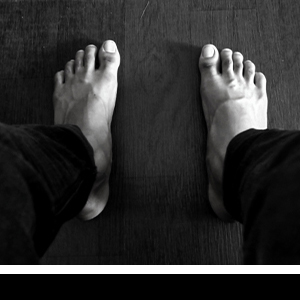
For people living with diabetes in Brigham City and across Box Elder County, routine foot care isn't optional. It's one of the most important steps you can take to protect your mobility and avoid serious complications. Our foot and ankle specialists provide comprehensive diabetic foot care designed to catch problems early, manage existing wounds, and keep you on your feet.
Why does diabetes often cause foot problems?
Uncontrolled diabetes can damage both the nerves and blood vessels in your feet. Most diabetic foot damage stems from diabetic neuropathy or peripheral vascular disease.
Diabetic neuropathy occurs when chronically high blood sugar damages your nerves. This damage tends to be worst in the extremities, especially the feet, and it can make it difficult to feel injuries, so a blister or cut can go unnoticed until it becomes serious.
Diabetes can also damage blood vessels. In peripheral vascular disease, the arteries that carry blood to your extremities narrow, reducing blood flow to the feet. Poor circulation slows wound healing and can lead to problems like diabetic ulcers.
What are diabetic foot ulcers?
Diabetic foot ulcers are wounds or sores that don't heal properly. They're one of the most common foot problems for people with diabetes, affecting an estimated 19–34% of patients over their lifetime. Ulcers are very vulnerable to infection, which in severe cases can lead to amputation. The good news: regularly scheduled foot exams have been shown to lower amputation rates by 45–85%, which is why preventive care matters so much.
What are the warning signs of diabetic foot problems?
Contact a Corbridge Podiatry foot specialist as soon as possible if you notice any of these warning signs:
- Numbness in the feet
- Tingling or burning sensations
- Swelling
- Slow-healing wounds
- Discoloration of the skin
- Persistently cold feet
What kind of diabetic foot care does the podiatrist offer?
Corbridge Podiatry offers a full range of diabetic foot care, including:
- Wound care: Complete evaluation and treatment of open wounds or sores
- Ulcer cleaning and dressing: Thorough cleaning, topical medications, and protective dressings to support healing
- Pressure-relieving footwear: Specialized shoes that prevent irritation and reduce the risk of ulcer formation
- Custom orthotics: Devices that provide support and redistribute pressure away from vulnerable areas
- Medication: To control infection, inflammation, or pain as needed
- Bracing: Support that reduces pressure on ulcers or problem areas
- Foot care and diabetes education: Guidance on daily foot checks, skin care, and blood sugar management to prevent complications
If noninvasive treatments aren't successful, surgery may be recommended to correct deformities that add pressure to diabetic foot wounds. In cases of completely necrotic tissue, toe or foot amputation may be necessary to protect your overall health, which is exactly the outcome that consistent preventive care is designed to avoid.
Frequently Asked Questions
How often should a person with diabetes see a podiatrist?
Most people with diabetes benefit from a comprehensive foot exam at least once a year, and more often if you have neuropathy, poor circulation, or a history of ulcers. Your doctor will recommend a schedule for you.
What should I check for at home every day?
Inspect the tops, bottoms, and between the toes for cuts, blisters, redness, swelling, or color changes. Use a mirror or ask for help if you can't see the soles. Report anything that isn't healing.
Why are small foot wounds so dangerous with diabetes?
Reduced sensation means you may not feel an injury, and poor circulation slows healing. A minor wound can become infected before you notice it.
Can good diabetic foot care really prevent amputation?
Yes. Regular professional foot exams and early treatment of wounds dramatically reduce the risk of severe complications and amputation.
Related Services at Corbridge Podiatry
Diabetic Ulcers • Wound Care • Neuropathy Testing • Orthotics
Schedule Your Appointment.
Call Corbridge Podiatry at 435-222-0635 or request an appointment online. 903 S Main St Suite B, Brigham City, UT 84302.