Heel Pain Treatment in Brigham City, Utah
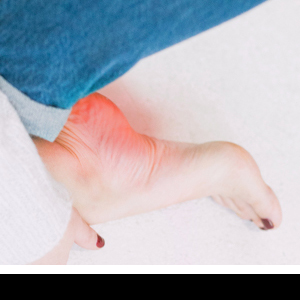
Heel pain is one of the most common complaints we treat at Corbridge Podiatry. Whether it strikes with your first steps in the morning or builds up after a long day on your feet, Dr. Corbridge and Dr. Funk can identify the cause and create a plan to get you walking comfortably again.
What are heel spurs?
Heel spurs are small bony protrusions on the bottom of the heel. On X-ray they look like tiny hooks pointing toward the front of the foot. Heel spurs often develop alongside plantar fasciitis — roughly 50% of plantar fasciitis sufferers also have heel spurs.
Heel spurs can also form from repeated muscle and ligament strain. Athletes are prone to them because of the repetitive stress of running and jumping, and they can develop for other reasons too, including arthritis, an irregular walking gait, and unsupportive footwear.
Is heel pain a symptom of heel spurs?
Not necessarily. Only about half of patients with heel spurs feel pain directly related to the spur. In many cases, when heel pain and heel spurs occur together, plantar fasciitis is the underlying cause of both. Treating the plantar fasciitis resolves the heel pain. Many people don't even know they have a heel spur until a podiatrist takes an X-ray for another reason.
If you do have symptoms from a heel spur, you may notice:
- Inflammation
- Swelling
- A heel that feels warm to the touch
If you're experiencing heel pain or any of these symptoms, see a Corbridge Podiatry foot specialist for relief.
How are heel spurs and heel pain treated?
Treatment depends on your symptoms and whether you have a related condition like plantar fasciitis. Options include:
- Ice packs
- Custom orthotics
- Over-the-counter pain relievers such as ibuprofen
- Physical therapy exercises
- Rest after heavy exertion or prolonged standing
- Cortisone injections
If your heel pain stems from plantar fasciitis, the heel-spur symptoms usually subside once the plantar fasciitis is treated. Large or chronically painful heel spurs may occasionally require surgery, but most heel pain can be reduced or eliminated with the non-surgical options our doctors recommend.
Frequently Asked Questions
Why does my heel hurt most in the morning?
Sharp pain with your first steps is a classic sign of plantar fasciitis, which often underlies heel pain. The fascia tightens overnight and stretches painfully when you stand.
Do heel spurs always cause pain?
No. Only about half of people with heel spurs have related pain. When heel spurs and pain occur together, plantar fasciitis is often the real culprit.
Can I treat heel pain at home?
Rest, ice, supportive shoes, and stretching help mild cases. If pain persists beyond a couple of weeks, see one of our podiatrists before it becomes chronic.
Will I need surgery for heel pain?
Rarely. The large majority of heel pain resolves with conservative care such as orthotics, stretching, and anti-inflammatory measures.
Related Services at Corbridge Podiatry
Plantar Fasciitis • Orthotics • Sports Injuries
Schedule Your Appointment.
Call Corbridge Podiatry at 435-222-0635 or request an appointment online. 903 S Main St Suite B, Brigham City, UT 84302.