Plantar Fasciitis Treatment in Brigham City, Utah
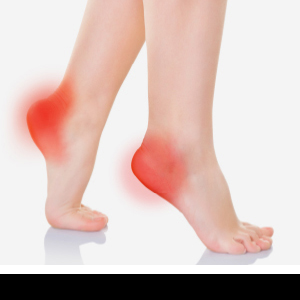
Plantar fasciitis is one of the most common causes of heel pain we treat at Corbridge Podiatry. If sharp heel pain is making your first steps of the day miserable, our podiatrists can pinpoint the cause and build a treatment plan to get you moving comfortably again.
Do I have plantar fasciitis?
By far the most common symptom of plantar fasciitis is sharp heel pain. Most patients notice it when they get out of bed in the morning and take their first steps of the day. The pain can also strike when you stand up after sitting for a long time. In most cases it eases after you walk for a bit, then returns the next time you stand after resting. For athletes, plantar fasciitis often doesn't flare during activity but afterward.
Many people who suffer from plantar fasciitis also develop heel spurs. In most of these cases, the plantar fasciitis is the root cause of both the heel spur and the pain.
What causes plantar fasciitis?
Abnormal foot structure is a frequent cause. If you have flat feet or very high arches, you're more likely to develop plantar fasciitis. Other common contributors include:
- Athletic activity: running and jumping place extra stress on the plantar fascia
- Long periods of standing on hard surfaces, especially in unsupportive footwear (teachers, nurses, and retail workers are often affected)
- Excess weight, which increases the load the plantar fascia must bear
How is plantar fasciitis treated?
Treatment depends on your symptoms, and most cases respond very well to noninvasive care, including:
- Special exercises to stretch the plantar fascia
- Supportive footwear
- Ice packs to reduce inflammation
- Rest to allow the plantar fascia to heal
If those measures aren't enough, additional options include:
- Custom orthotics to reduce stress on the heel
- A night splint to keep the plantar fascia stretched while you sleep
- A walking cast to relieve pressure and allow healing
- Corticosteroid injections for inflammation and pain
- Physical therapy to rehabilitate the plantar fascia and calf muscles
In rare cases, surgery may be needed, but the large majority of patients respond very well to the noninvasive measures above. Put an end to the heel pain. Use the online scheduler or call Corbridge Podiatry in Brigham City to get help today.
Frequently Asked Questions
Why does plantar fasciitis hurt most in the morning?
Overnight the plantar fascia tightens, so your first steps stretch it suddenly and painfully. The pain often eases as you warm up, then returns after rest.
How long does plantar fasciitis take to heal?
With consistent treatment, many people improve over several weeks to a few months. Stretching, supportive footwear, and orthotics speed recovery.
Are plantar fasciitis and heel spurs the same thing?
No, but they're closely linked. Plantar fasciitis is often the underlying cause of both the heel pain and any associated heel spur.
What can I do at home to relieve plantar fasciitis?
Stretch your calf and foot, ice the heel, rest, and wear supportive shoes. If pain persists beyond a couple of weeks, see one of our foot and ankle specialists before it becomes chronic.
Related Services at Corbridge Podiatry
Heel Pain • Orthotics • Sports Injuries
Schedule Your Appointment.
Call Corbridge Podiatry at 435-222-0635 or request an appointment online. 903 S Main St Suite B, Brigham City, UT 84302.