Wart Treatment in Brigham City, Utah
What are plantar warts?
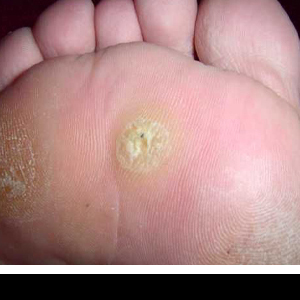
The most common type of wart treated in podiatry is the plantar wart, a small growth on the sole of the foot caused by the human papillomavirus (HPV), which enters through a small cut or tear in the skin. Warts can appear anywhere on the foot but most often develop on the sole.
There are two main types: single warts and mosaic warts. A single wart is one growth that can enlarge over time, while mosaic warts are clusters of several warts in one area. Plantar warts are highly contagious. They spread through direct contact with another person or with surfaces many people touch, and you can pick one up by walking barefoot around pools, locker rooms, or playgrounds.
What symptoms develop due to plantar warts?
Because plantar warts grow on the sole, they're exposed to pressure with every step. That pressure can drive the wart deeper into the foot and cause significant pain. Plantar warts often resemble a rough callus because the surrounding skin becomes thick and hardened. The team at Corbridge Podiatry can tell the difference and confirm the diagnosis.
What treatments are available for warts?
Plantar warts sometimes fade on their own, but this can take a very long time, and the longer it takes, the more discomfort you experience. The foot specialists at Corbridge Podiatry recommend treating a wart promptly to avoid unnecessary pain and limit the spread of the virus. Seek care right away if your wart has begun to bleed, spread, or make walking difficult and especially if you have diabetes.
Treatment options include:
- Topical medications: Gradually break down the wart tissue over a series of applications.
- Cantharidin treatment: A painless topical application that causes the wart to blister and lift away.
- Surgical excision: For severe or persistent warts, the growth can be fully removed.
Your podiatrist will recommend the approach best suited to the size, location, and stubbornness of your wart.
Frequently Asked Questions
Are plantar warts dangerous?
They're usually harmless but can be painful and spread. People with diabetes or circulation problems should always have foot warts treated professionally.
Why do plantar warts look like calluses?
The constant pressure on the sole thickens the skin over the wart, so it can resemble a callus. A podiatrist can distinguish the two. Warts often have tiny dark dots and disrupt the skin lines.
Can I treat a plantar wart at home?
Over-the-counter products help some warts, but stubborn, painful, or spreading warts respond better to professional treatment, and home treatment isn't recommended for people with diabetes.
How do I avoid getting warts again?
Don't go barefoot in public showers, pools, or locker rooms; keep feet clean and dry; and avoid sharing towels, socks, or shoes.
Related Services at Corbridge Podiatry
Athlete's Foot • Diabetic Foot Care • Toenail Fungus
Schedule Your Appointment.
Call Corbridge Podiatry at 435-222-0635 or request an appointment online. 903 S Main St Suite B, Brigham City, UT 84302.