Bunion Treatment in Brigham City, Utah
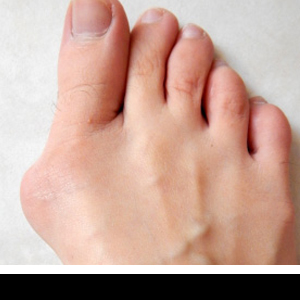
What are bunions?
A bunion is a bony protrusion at the metatarsophalangeal joint — the base joint of your big toe. Bunions develop when this joint enlarges and shifts inward, putting pressure on the neighboring toes. In some cases, the big toe begins to overlap the second toe. A similar bump on the pinkie-toe side of the foot is called a bunionette.
Because the big-toe joint is essential to distributing your body weight as you move, a bunion can make walking, standing, and even wearing everyday shoes painful and difficult.
Why did I get bunions?
Foot type is largely inherited, so if your parents had the kind of foot mechanics that lead to bunions, you may have inherited that tendency too. Bunions can develop in anyone who repeatedly pressures or stresses the big-toe joint in an abnormal way; tight, narrow, or high-heeled shoes accelerate the process.
What are the symptoms of bunions?
Telltale signs of a bunion include:
- Pain or chronic soreness at the base of the big toe
- Red skin around the base of the big toe
- Burning when you stand or walk
- Numbness when you stand or walk
Symptoms are usually worst in shoes that crowd the toes; high heels and pointed-toe shoes are well-known culprits for aggravating bunions.
What is the treatment for bunions?
After diagnosing your bunion, your Corbridge Podiatry foot specialist creates a treatment plan suited to your symptoms. If a bunion isn't causing significant problems, observation with periodic evaluation and X-ray imaging may be all that's needed. If you're in pain, conservative measures can help:
- Medication: To reduce pain, inflammation, and other symptoms
- Custom orthotics: Designed to realign the foot and reduce pressure on the bunion
- Padding and splints: Cushion the bunion and gently support proper toe alignment
- Contrast therapy: Alternating warm and cold treatments to reduce swelling and improve circulation
- Footwear changes: Shoes with a wide toe box and proper arch support relieve pressure
- Activity modification: Avoiding movements that aggravate the bunion, such as prolonged standing or walking barefoot on hard surfaces
These remedies relieve symptoms but don't remove the bunion itself. If conservative care doesn't help, surgery can remove the bony bump and correct the underlying deformity. Ask our foot doctors about minimally invasive (MIS) bunion correction, which offers faster recovery than traditional surgery.
Frequently Asked Questions
Will a bunion go away on its own?
No. Bunions are structural and tend to worsen over time. Conservative care relieves symptoms, but only surgery removes the bump.
Do I need surgery for my bunion?
Not necessarily. Many bunions are managed comfortably with orthotics, footwear changes, and other conservative measures. Surgery is considered when pain limits daily life.
Can wearing better shoes really help?
Yes. Roomy, supportive shoes won't reverse a bunion, but they reduce pressure and can slow its progression and ease pain.
What is minimally invasive bunion surgery?
MIS bunion correction uses tiny incisions to realign the bone, with less surgical trauma and a faster recovery than traditional bunionectomy. See our MIS Bunions page.
Related Services at Corbridge Podiatry
MIS Bunions • Hammertoes • Orthotics • Neuromas
Schedule Your Appointment.
Call Corbridge Podiatry at 435-222-0635 or request an appointment online. 903 S Main St Suite B, Brigham City, UT 84302.