Neuroma Treatment in Brigham City, Utah
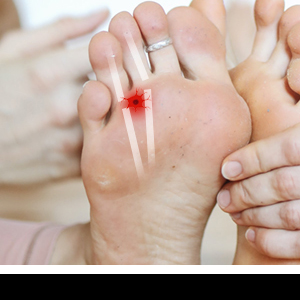
What is a neuroma?
A neuroma is the irritation or inflammation of a nerve in the foot that produces a non-cancerous swelling. As the nerve swells, the surrounding tissue becomes increasingly irritated. The most common type, a Morton's neuroma, develops between the third and fourth toes, though neuromas can also form between other toes or in the ball of the foot.
What are the symptoms of a neuroma?
Neuromas don't always produce consistent symptoms. They can be intermittent or continuous. Common symptoms include:
- Burning pain in the ball of the foot
- A feeling of a bump or 'pebble' between the toes
- Difficulty standing for long periods
- Numbness and tingling in the toes
Symptoms often appear when you're wearing shoes and ease when you take them off or rub and flex your foot only to return the moment you walk or put your shoes back on.
What causes neuromas?
The exact cause can be difficult to pinpoint, but your risk increases if you frequently wear high heels or tight shoes or engage in high-impact activities. Neuromas can also develop secondary to other foot conditions, including:
- Bunions
- Hammertoes
- Flat feet
- Other foot malformations
Each of these conditions adds pressure to the nerves in the foot.
How do you treat neuromas?
At Corbridge Podiatry, your foot specialist can recommend a range of conservative treatments first:
- Cortisone injections
- Footwear changes
- Foot pads
- Custom orthotics
- Anti-inflammatory medication
When conservative care isn't enough to relieve the pain, two more intensive options are available:
- Minimally invasive surgery: A short-recovery procedure that removes the neuroma or the tissue irritating the nerve.
- Radiofrequency ablation: Heat therapy that modifies the nerve fibers' ability to transmit pain signals, without damaging neighboring tissue.
If you think you may have a neuroma, get in touch with the team at Corbridge Podiatry in Brigham City for an evaluation.
Frequently Asked Questions
What does a Morton's neuroma feel like?
Many people describe it as standing on a pebble or a fold in their sock, along with burning pain, numbness, or tingling in the ball of the foot.
Can a neuroma go away without surgery?
Many neuromas improve significantly with conservative care like orthotics, injections, and footwear changes. Surgery is reserved for cases that don't respond.
What kind of shoes help with a neuroma?
Wide, low-heeled shoes with a roomy toe box and good cushioning reduce pressure on the nerve and ease symptoms.
Are neuromas linked to other foot problems?
Yes. Bunions, hammertoes, and flat feet can all increase nerve pressure and contribute to a neuroma, so we evaluate the whole foot.
Related Services at Corbridge Podiatry
Bunions • Hammertoes • Orthotics • Neuropathy Testing
Schedule Your Appointment.
Call Corbridge Podiatry at 435-222-0635 or request an appointment online. 903 S Main St Suite B, Brigham City, UT 84302.