Hammertoe Treatment in Brigham City, Utah
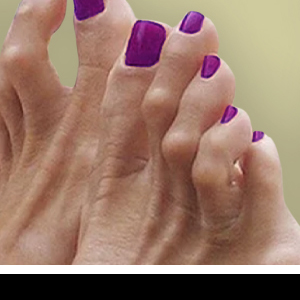
What is a hammertoe?
A hammertoe is a toe joint that becomes permanently bent upward. Hammertoes can affect any toe except the big toe. They usually start as a minor, flexible deformity, but they tend to worsen significantly if left untreated.
Hammertoes don't resolve on their own. Once a hammertoe becomes well established and rigid, it's very difficult to correct without surgery. The earlier you seek treatment, the more options you'll have. If you've noticed a toe beginning to bend abnormally, it's worth having it evaluated in Brigham City sooner rather than later.
What causes hammertoes?
Hammertoes are caused mainly by an imbalance between the muscles and tendons that control the toe. That imbalance creates instability and pulls the toe into a bent position. Other contributors include trauma to the toe and genetics. Shoes with a constricting toe box like high heels or poorly fitting footwear can aggravate a developing hammertoe.
What are the signs of a hammertoe?
Signs to watch for include:
- Abnormal bending of the toe
- Toe discomfort or pain in shoes that enclose the toes tightly
- Corns and calluses on top of the toe, between the toes, or on the bottom of the foot
- Toe inflammation
- Burning in the toe
In severe cases, open sores that won't heal can develop on top of the toe. If you notice these signs, don't delay in seeing a Corbridge Podiatry foot specialist.
How does the podiatrist diagnose a hammertoe?
Diagnosis usually includes a thorough foot exam, gentle manipulation of the toe, and X-ray imaging to assess the severity of the bone deformity. With this information, Dr. Corbridge develops a treatment plan tailored to your toe.
How is a hammertoe treated?
Caught early, hammertoes can often be managed without surgery. Your treatment may include:
- Corn and callus pads
- Footwear changes that avoid tight toe boxes
- Custom orthotics to correct the underlying imbalance
- Corticosteroid injections for pain and inflammation relief
- Splints or straps to reposition the toe
- Over-the-counter anti-inflammatory medication for pain relief
If your hammertoe has become rigid and immovable, surgery may be needed to remove excess bone, realign the toe, and address related problems such as non-healing wounds.
Frequently Asked Questions
Can a hammertoe be fixed without surgery?
If it's still flexible, yes. Orthotics, splinting, and footwear changes can manage it. Once the toe becomes rigid, surgery is usually required.
Are hammertoes and bunions related?
They often occur together because both can stem from foot mechanics and tight footwear. We frequently treat them at the same time.
Will my hammertoe get worse over time?
Untreated hammertoes tend to stiffen and worsen, which is why early evaluation gives you more conservative options.
What shoes are best if I have a hammertoe?
Choose shoes with a deep, roomy toe box and avoid high heels and narrow, pointed styles that crowd the toes.
Related Services at Corbridge Podiatry
Bunions • Orthotics • Neuromas
Schedule Your Appointment.
Call Corbridge Podiatry at 435-222-0635 or request an appointment online. 903 S Main St Suite B, Brigham City, UT 84302.